Summer activities with toddlers (1-3 years): easy ideas for hot days
May 27, 2026

Katka
Summer with a toddler is a different challenge than summer with a baby. Children between one and three years old usually want to move, touch everything, repeat the same game ten times, and suddenly refuse the exact activity they begged for five minutes earlier. On top of that, summer adds heat, tiredness, snack demands, and the classic moment when a child is clearly exhausted but still insists they do not want to go home.
That is why summer activities for toddlers work best when they are simple, physical, and easy to stop at any time. A toddler does not need a complicated plan. They need short bursts of movement, sensory play, shade, water, and enough breaks to avoid ending the outing in a meltdown.
And when the day finally slows down and your toddler falls asleep after a busy morning, a tool like Bibino baby monitor can make the quiet part of the day much easier. You can sit outside, clean up after lunch, or move to another room while still staying connected.

How to plan a successful summer outing with a toddler
Toddlers are more active than babies, but they are not yet good at pacing themselves. That creates a very specific summer problem: they often keep going long after they are already too hot, thirsty, or tired.
That is why successful summer plans for toddlers usually depend on:
- going out early,
- choosing places with shade,
- building in snack and drink breaks,
- keeping the activity shorter than you think you need,
- leaving while the child is still mostly happy.
This is one of the biggest differences between a toddler article and a baby article. With toddlers, the issue is not only comfort. It is also energy management.
Best summer activities for toddlers
1. Water play in the garden or on the balcony
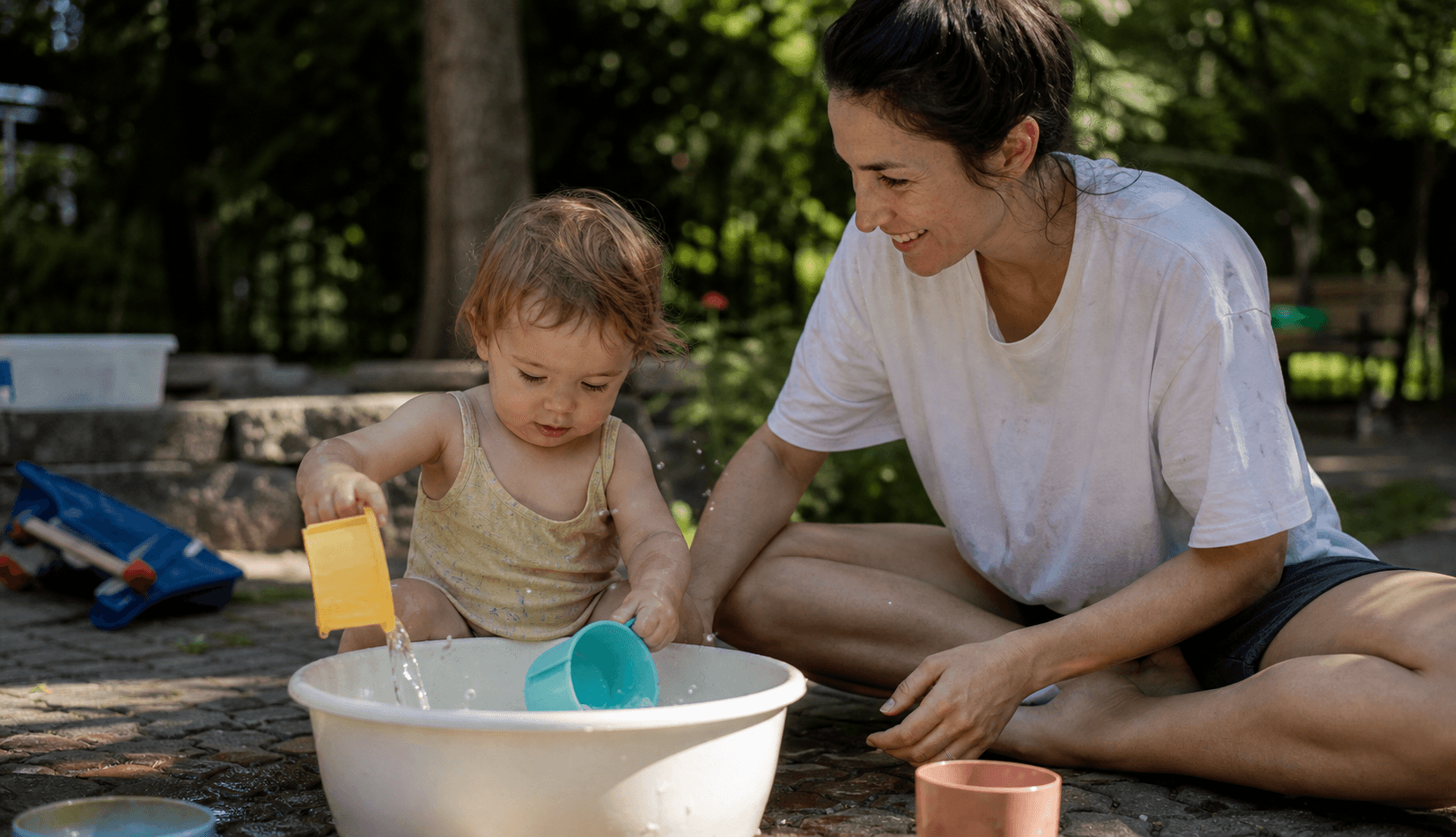
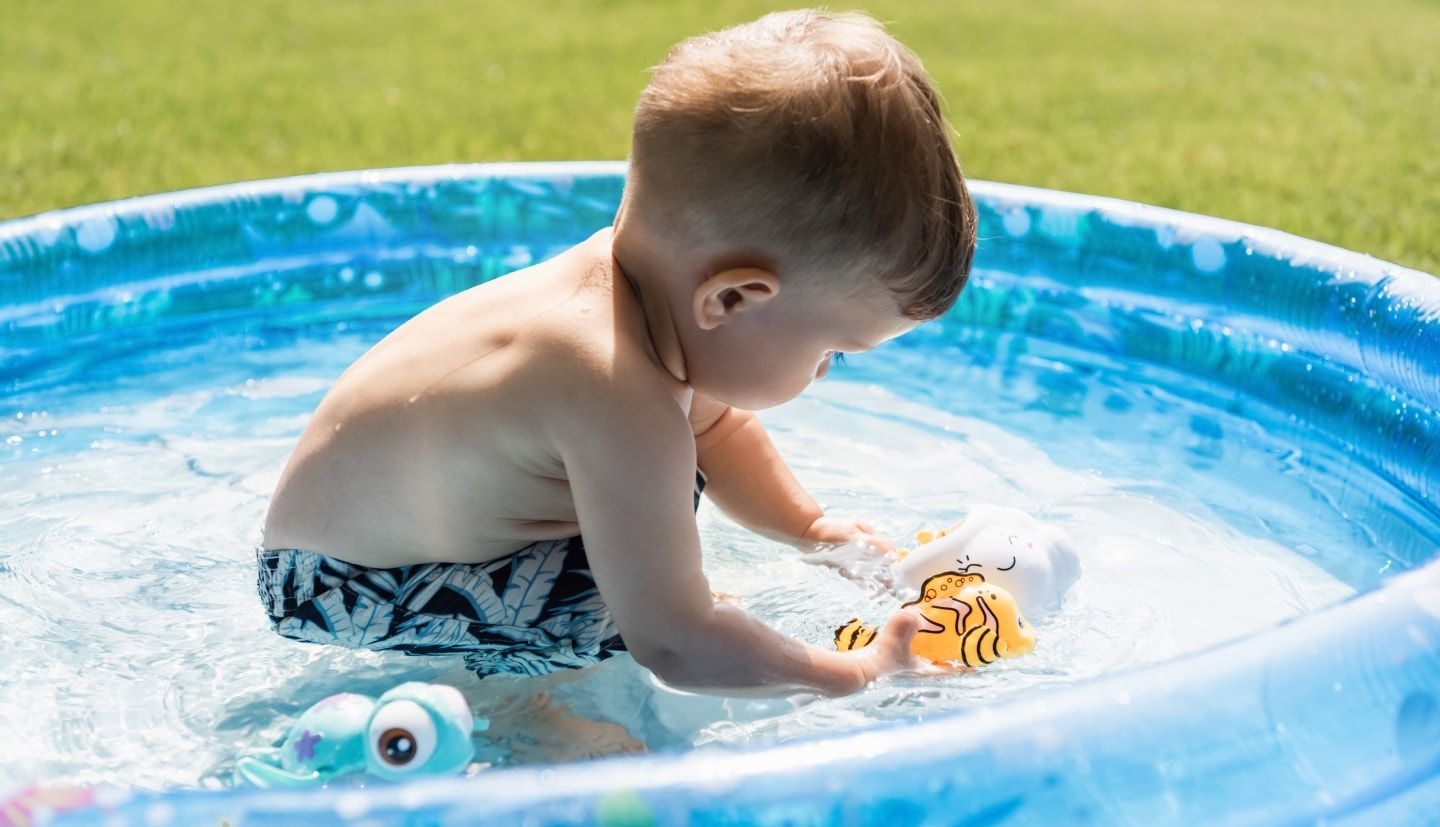
This is often the easiest summer win. You do not need a pool or a big setup. A basin, cups, spoons, a small watering can, and a towel on the ground can easily turn into half an hour of focused play.
Toddlers often love:
- pouring water from one container to another,
- washing toy animals or toy cars,
- stomping in shallow water,
- squeezing sponges,
- filling and emptying cups again and again.
The repetition is the activity. That is what makes it work so well at this age.
2. Early morning playground visits
A playground can be great in summer, but the timing matters. In the middle of the day, slides get hot, parents lose patience, and the whole outing becomes harder than it needs to be.
Early morning works best because:
- equipment is cooler,
- there are fewer people,
- toddlers still have energy,
- you can leave before the heat builds.
For this age group, even twenty to forty minutes can be enough.
3. Shady nature walks with a purpose
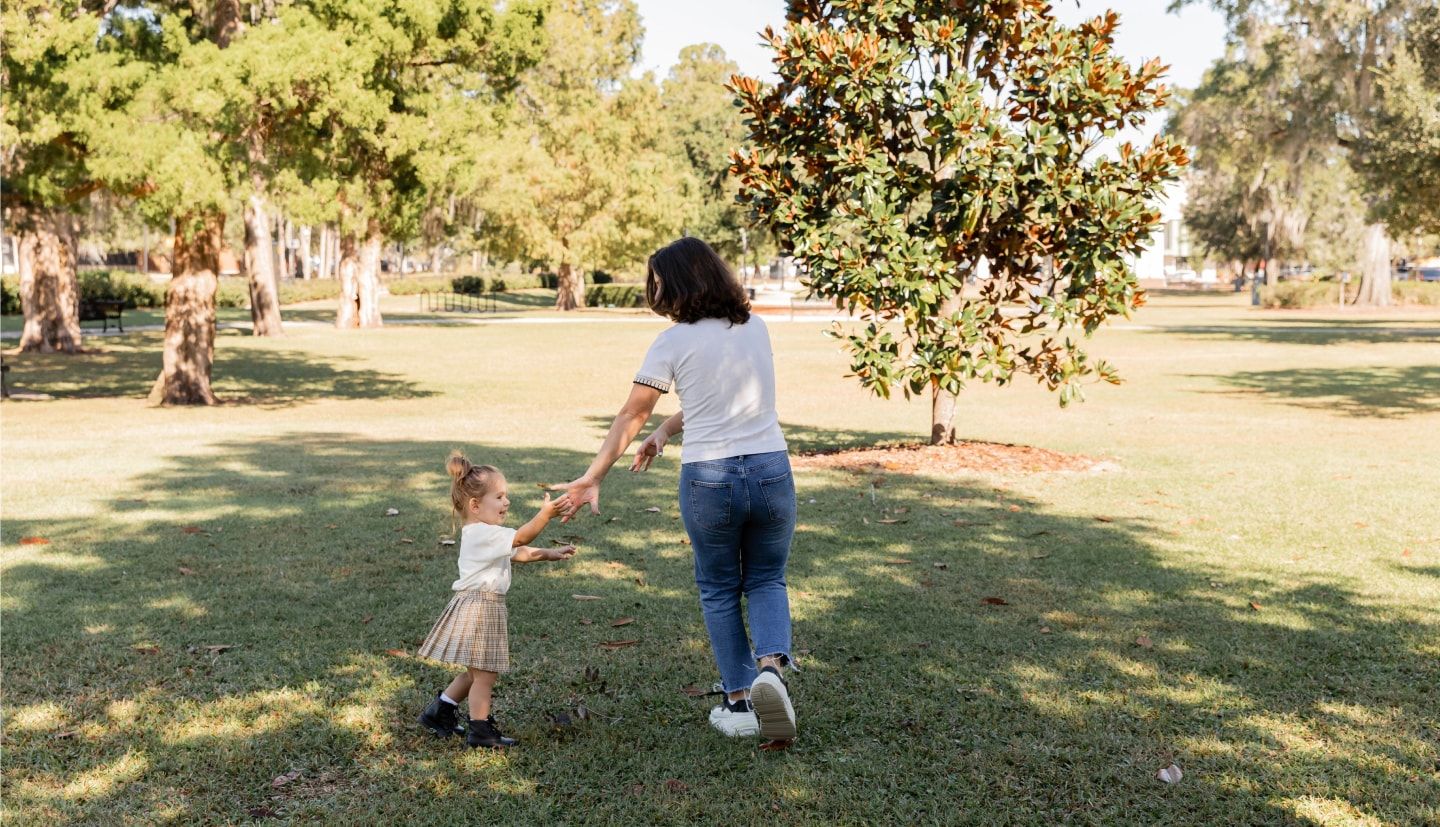
Toddlers usually enjoy a walk much more when it has a tiny mission attached to it. You do not need a big scavenger hunt. A simple goal is enough:
- find three dogs,
- collect two leaves and one stone,
- look for a red flower,
- listen for birds,
- spot a bus, tractor, or fountain.
This gives the walk structure without turning it into a big organized game.
4. Splash pad or fountain visits
If you have a local splash pad or safe public fountain area, it can be one of the best summer toddler outings. It combines movement, cooling, and novelty all at once.
What helps:
- arrive early,
- bring dry clothes,
- keep the visit short,
- plan an easy way home afterwards.
The goal does not need to be “a big summer trip.” Often the best version is just enough splashing to have fun and leave before your toddler becomes overtired.
5. Bubble games in the shade
Bubbles are simple, cheap, and surprisingly effective for this age. They encourage:
- running,
- jumping,
- pointing,
- reaching,
- laughing without needing much setup.
They also work well when you only have fifteen minutes and want an easy outdoor activity before lunch or dinner.
6. Sand play with water
Dry sand can be fun, but add a little water and toddlers usually become much more absorbed in the activity.
Good options include:
- filling buckets,
- making “cakes,”
- digging channels,
- moving wet sand with spoons or cups,
- washing hands and feet afterwards as part of the play.
This works at the beach, at a sandbox, or even in a small home setup if you have the space.
7. A backyard or park obstacle course
Toddlers love movement, but they do not need formal sports. A tiny obstacle course can be enough:
- walk around the blanket,
- step over a stick,
- touch the tree,
- jump into the circle,
- carry the ball to the bench.
The best part is that they usually want to do it repeatedly, which makes it ideal for this age.
Best quiet summer activities for toddlers
Not every part of the day can be high-energy. Hot afternoons usually go better with calmer activities.
Picnic snack in the shade
Toddlers often respond very well to small rituals. A snack picnic on a blanket in deep shade can feel exciting enough without requiring a full outing.
It can be as simple as:
- fruit,
- water,
- crackers,
- a blanket,
- ten quiet minutes outside.
For some children, that is already a meaningful summer activity.
Looking at books outside
Reading on a blanket, on a balcony, or under a tree feels different in summer even if the book is the same one you read every day indoors. Familiar books in a new setting often work very well for toddlers because they get novelty and safety at the same time.
Simple sensory bins
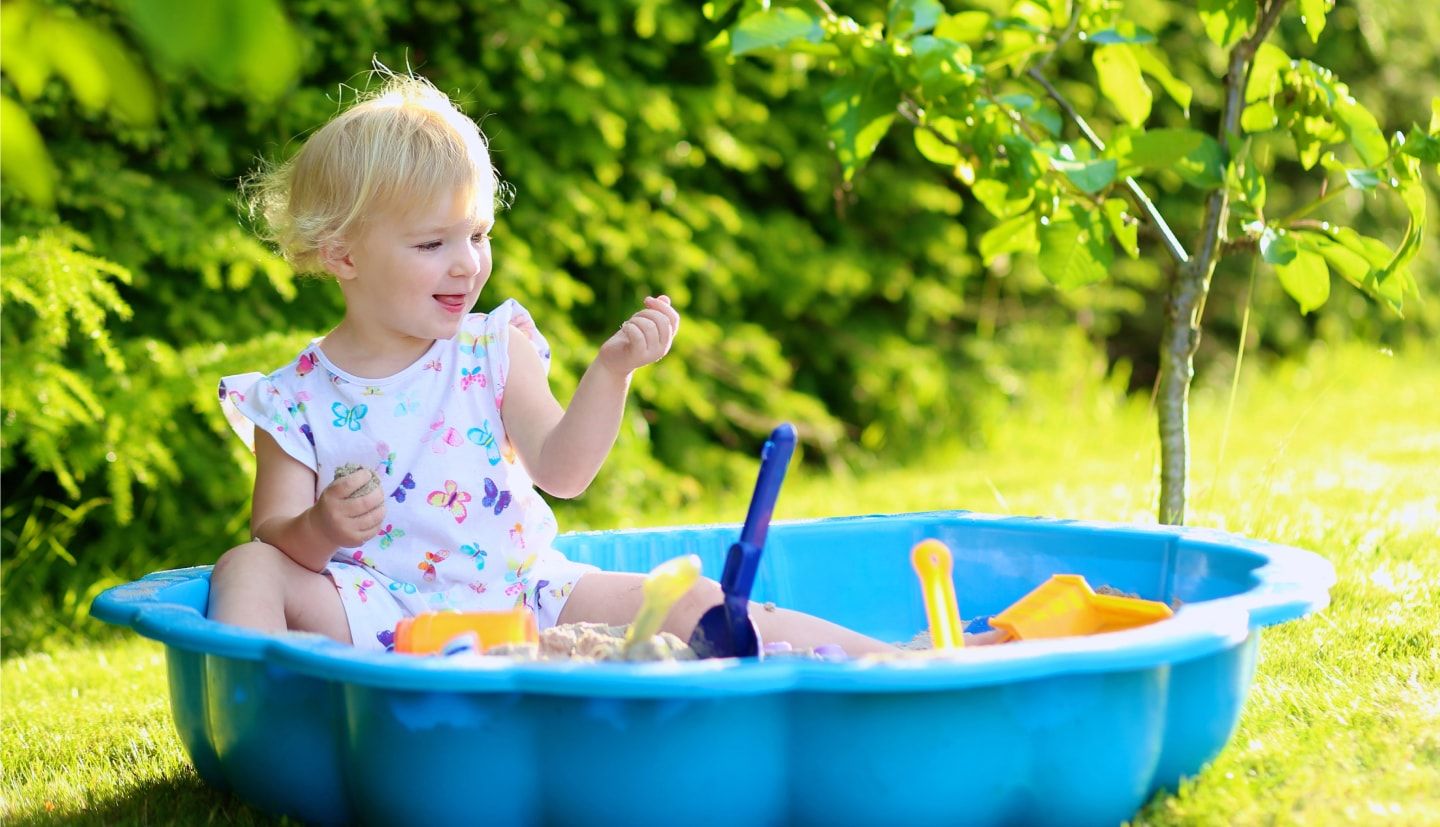
If it is too hot to stay out long, quiet sensory play can bridge the afternoon:
- water and floating toys,
- ice cubes in a bowl,
- cool washcloths,
- big shells, spoons, and cups,
- scooping dry oats or rice indoors if that suits your child.
The main goal is calm concentration rather than big excitement.
Summer activities for toddlers when it is too hot outside
Some days are too hot for meaningful outdoor play. On those days, it helps to stop fighting the weather and switch to a cooler plan.
Good hot-day toddler options include:
- indoor water play in the bathroom or on a towel,
- dancing in the coolest room of the house,
- toy washing in a basin,
- sticker books or reusable stickers,
- simple hide-and-seek with toys,
- an evening outing instead of a midday outing.
Parents often feel pressure to “make summer fun,” but sometimes the smartest summer parenting move is simply staying cool and low-key.
Best summer outings with toddlers
The lake or beach
Toddlers usually love water, sand, and freedom of movement, but that combination can get intense fast. Short visits are often much more successful than full-day plans.
What usually helps:
- go early,
- choose shade if possible,
- bring snacks and water,
- pack dry clothes,
- keep expectations low,
- leave before the crash.
A good toddler beach trip is often one where you stay less time than you originally imagined.
The zoo, farm, or mini outdoor attraction
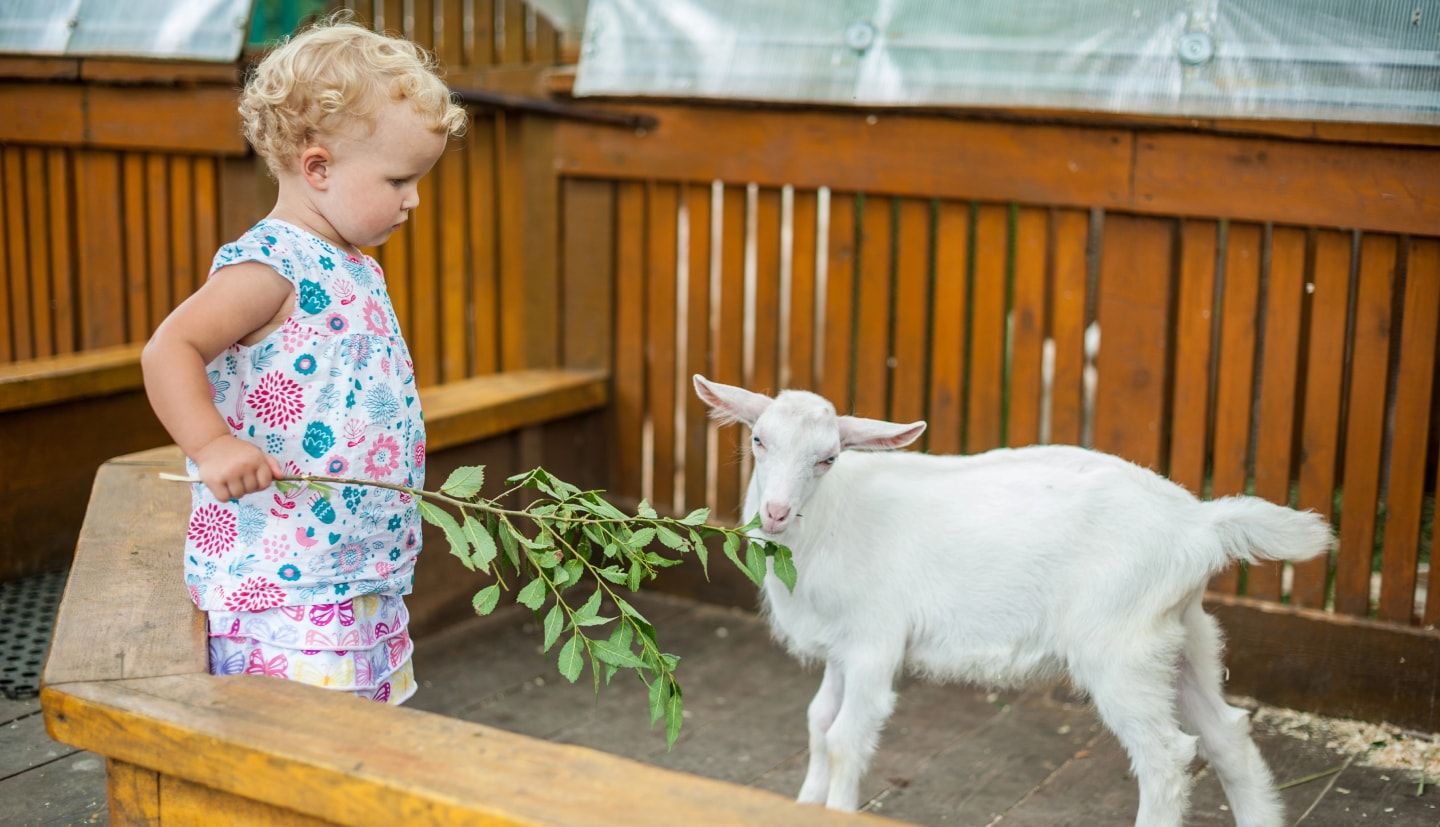
Toddlers usually do better with small outdoor destinations than with very long, crowded day trips. Places that work especially well:
- a mini zoo,
- a petting farm,
- a duck pond,
- a garden with space to walk,
- a train platform where they can watch vehicles.
The trick is to pick one main point of interest, not ten.
Outdoor cafes that are toddler-friendly
This is not an activity for every child, but for some families it is a realistic and repeatable summer routine. A cafe with outdoor seating near shade, a bit of open space, and a very short expected stay can work well.
For parents, this kind of outing matters too. Summer articles should leave room for activities that make life nicer for adults, not just keep the child busy.
How to structure a summer day with a toddler
Toddlers often do best when the day follows a familiar rhythm, even in summer.
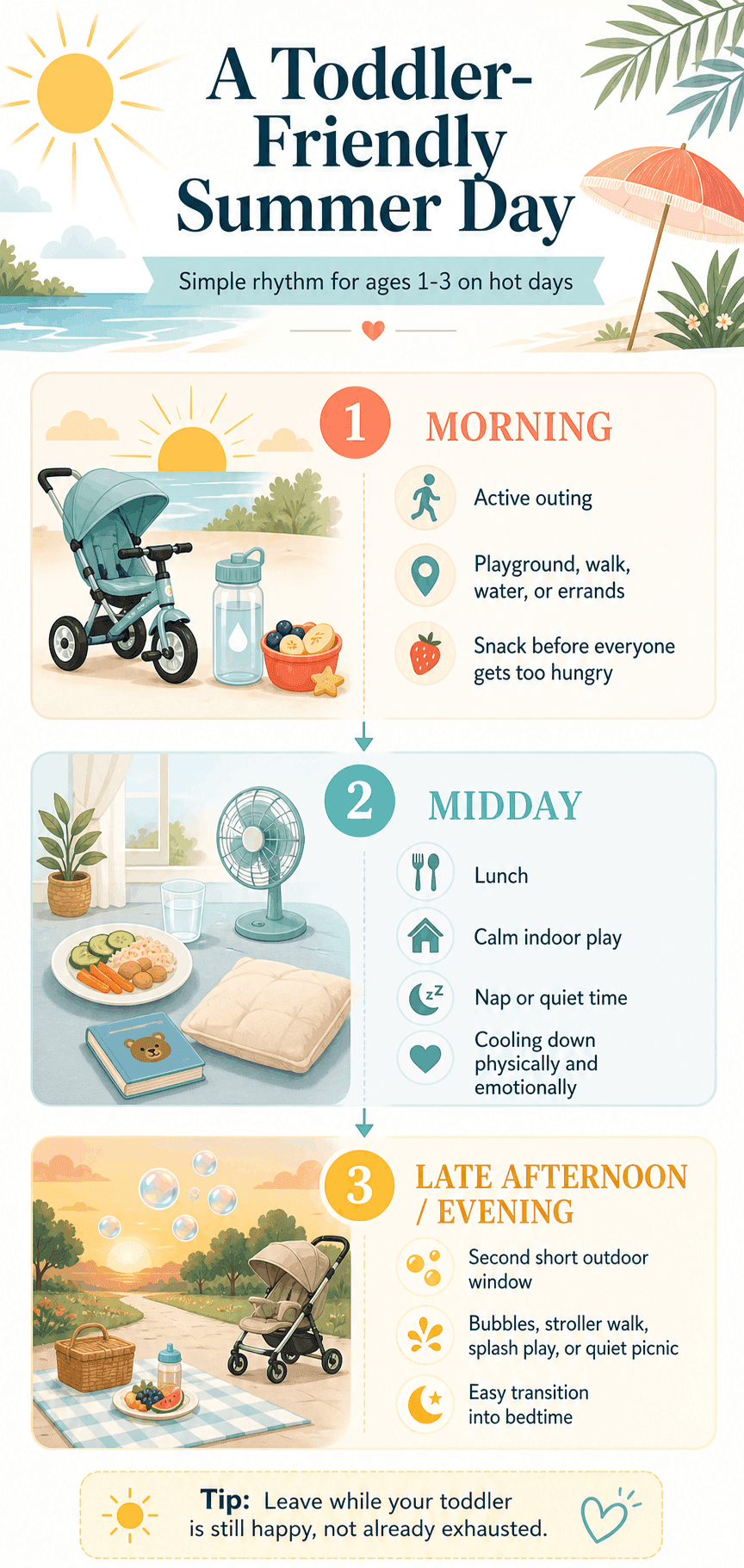
Morning
- active outing,
- playground, walk, water, or errands,
- snack before everyone gets too hungry.
Midday
- lunch,
- calm indoor play,
- nap or quiet time,
- cooling down physically and emotionally.
Late afternoon or evening
- a second short outdoor window,
- bubbles, stroller walk, splash play, or a quiet picnic,
- easy transition into bedtime.
This rhythm helps reduce the “too much summer in one day” problem that often causes tantrums.
What to pack for toddler summer outings
With toddlers, packing is partly about comfort and partly about preventing avoidable drama.
Helpful things to bring:
- water bottle,
- easy snacks,
- spare clothes,
- sun hat,
- towel,
- wipes,
- wet bag,
- sandals or backup shoes if water is involved,
- one familiar comfort item for the trip home.
The comfort item is easy to underestimate, but it can make a big difference once your toddler reaches the tired part of the day.
Summer naps after active mornings
Toddlers often sleep very well after water play, playground time, or a short active outing in fresh air. That is one reason summer routines can feel so satisfying when they work.
After an active morning, it often helps to:
- change into dry clothes,
- offer lunch or milk calmly,
- reduce stimulation,
- keep the nap space cool and familiar.
And if your toddler naps while you need a bit of distance, Bibino baby monitor can help make that quiet part of the day feel easier.
Frequently asked questions
1. What are the best summer activities for toddlers?
The best summer activities for toddlers are simple, active, and easy to stop: water play, playground visits, shady walks, bubbles, sand play, and short trips to the lake or splash pad.
2. How do I keep my toddler busy in hot weather?
Use short early morning outings, quiet midday indoor play, and a second short outing in the evening. Water play is often the easiest option.
3. What can I do with my toddler when it is too hot outside?
Indoor water play, toy washing, dancing, sensory bins, and calm cool-room play often work better than forcing an outdoor outing.
4. How long should a summer outing with a toddler last?
Usually shorter than you expect. Many toddlers do best with a brief outing that ends while they are still comfortable rather than a long outing that ends in a meltdown.
5. Are beaches and lakes good for toddlers?
Yes, but short visits usually work best. Shade, snacks, water, and dry clothes make a big difference.
6. What time of day is best for toddler outdoor play in summer?
Early morning is usually best, and early evening is often the second-best option.
7. Why does my toddler melt down more in summer?
Heat, thirst, overstimulation, disrupted naps, and too much activity in one day can all make toddlers less regulated than usual.
Conclusion
Summer activities for toddlers do not need to be elaborate to be successful. In fact, this age usually responds best to simple plans: a little water, a little movement, a lot of shade, and stopping before the child is completely worn out.
That is what makes a toddler summer day work. Not a perfect itinerary, but a rhythm that leaves room for movement, cooling down, snacks, naps, and a calm way back home.